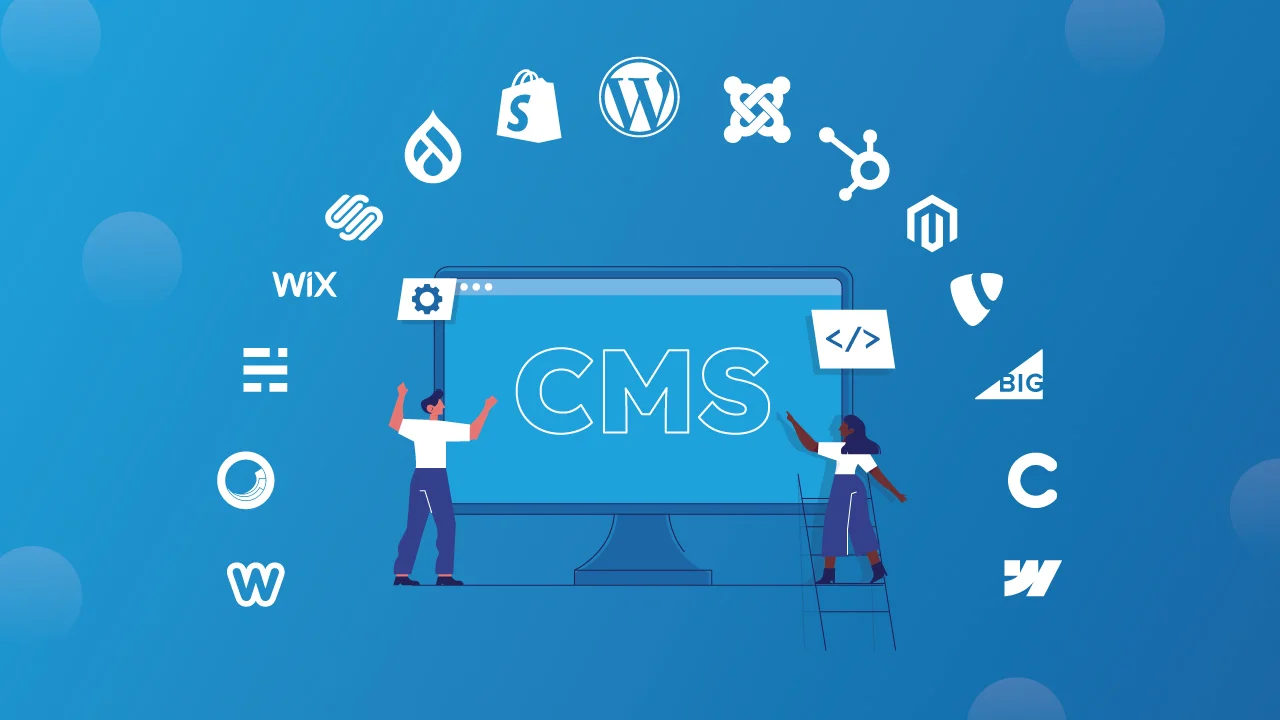
Best CMS Platforms for Website Development in 2025
Selecting the right Content Management System (CMS) is one of the most important decisions when building a modern website or web app. A CMS should be easy to use, require little to no coding expertise, and align with the needs of your business. The right choice can speed up development, simplify content management, and deliver a polished user experience.
In 2025, businesses expect CMS platforms that go beyond basic content editing. Features like responsive design, content scheduling, built-in SEO, theme customization, and smooth publishing workflows are now essential. Whether you’re creating a blog, an eCommerce store, or a full-fledged enterprise portal, choosing the right CMS can make or break your project.
A professional web development company can also help by customizing the CMS to your requirements or migrating your existing site to a more powerful platform at cost-effective rates.
What is a CMS?
A CMS is a software platform that makes it easy to create, format, organize, and publish digital content without diving deep into code. It bridges the gap between developers and content teams, empowering businesses to focus on growth while keeping websites fresh and updated.
Key Capabilities of a Modern CMS
Intuitive content editing (text, images, video, audio)
Categorization with tags, folders, and filters
Streamlined publishing workflow with version control
Role-based access for teams (authors, editors, admins)
Built-in collaboration features
Design customization through themes, templates, or custom code
SEO-friendly structures and mobile responsiveness
Top 10 CMS Platforms for 2025
1. WordPress
Still the world’s most popular CMS, WordPress powers everything from personal blogs to enterprise-level applications. With thousands of plugins, SEO tools, and themes, it offers flexibility for users at any skill level.
Highlights:
WYSIWYG editor for hassle-free formatting
50,000+ plugins and thousands of themes
Drag-and-drop uploads and media editing
SEO-ready with plugins like Yoast
2. Magento (Adobe Commerce)
A powerhouse for eCommerce, Magento delivers scalability and advanced features like multi-store management, dynamic product catalogs, and personalized discounts.
Highlights:
Handles large inventories with ease
In-built SEO (metadata, sitemaps, URLs)
Custom checkout flows with multiple payment integrations
Supports multi-brand and multi-region setups
3. Drupal
Favored by developers and enterprises, Drupal excels in handling complex content and high-traffic websites. It’s known for robust security and multilingual capabilities.
Highlights:
Flexible modular architecture
Advanced access control and workflows
Multilingual support out-of-the-box
Ideal for government and enterprise apps
4. Joomla
Strikes a balance between simplicity and functionality, making it ideal for community portals, membership sites, and multilingual projects.
Highlights:
Native support for 70+ languages
Strong user and access management
Easy inline content editing
Workflow and version tracking
5. Umbraco
Built on Microsoft’s .NET framework, Umbraco is popular among enterprises looking for flexibility, security, and smooth integration with Microsoft technologies.
Highlights:
Clean, clutter-free backend
Drag-and-drop file management
Cloud deployment with Git integration
Headless CMS capabilities via Heartcore
6. HubSpot CMS
Tailored for marketers, HubSpot CMS integrates website management with CRM, email marketing, and analytics.
Highlights:
Personalized content based on user behavior
Built-in SEO suggestions
Drag-and-drop page builder
Deep integration with HubSpot CRM
7. BigCommerce
A SaaS-based CMS designed for growing eCommerce businesses. Known for scalability and reduced reliance on third-party plugins.
Highlights:
Multi-channel product listing
Built-in SEO and structured data support
Customizable checkout experience
Responsive themes and headless APIs
8. Wix
Perfect for small businesses and creatives, Wix allows quick site building with drag-and-drop tools and AI-powered design suggestions.
Highlights:
800+ responsive templates
No coding required
AI-driven layout personalization
250+ integrations for added features